Prince Estate Clarifies Overdub Controversy on Timeless Album
Prince Legacy LLC confirms horn overdubs were added to 'Calabama,' the only posthumous edit on Timeless.
Something Dope · · 3 min read
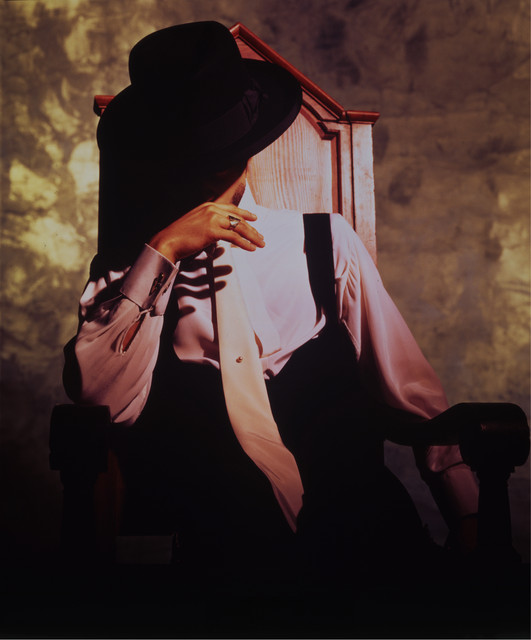
Prince's estate released Timeless last week, a collection billed as original recordings spanning 1977 to 2016. The album arrived with serious weight behind it, but within days a credibility question surfaced around one of its tracks.
Trombonist Greg Boyer posted on Facebook that he recorded his horn part for "Calabama" this year, not decades ago. That directly contradicted the estate's framing that everything on Timeless was untouched archival material. Boyer's transparency forced a reckoning, and the Prince camp had to respond.
What the Prince Estate Actually Said About 'Calabama'
Charles Spicer Jr., coprincipal of Prince Legacy LLC, moved first with a personal correction, acknowledging he had incorrectly stated that nothing was edited or added to "Calabama." He took direct responsibility for that inaccurate claim.
The label then followed with a fuller statement laying out exactly what happened. At the bridge of the track, Prince's vocal explicitly calls out for "horns" twice. The archived multitrack had a synthesizer filling that space instead. The estate assembled horn players who had worked closely with Prince, specifically Greg Boyer on trombone, Adrian Crutchfield on saxophone, and Lynn Grissett on trumpet, to overdub that synth placeholder with the intended horn line.
The statement confirms all of Prince's original recorded parts remain intact. The added horns were credited on the album packaging. And the label is clear: **"Calabama" is the only track on Timeless that received posthumous overdubs.** No other recording on the project was touched. The statement also explicitly rules out any use of AI on Prince's music.
Why This Debate Matters Beyond Prince's Archive
The controversy lands in a broader conversation the music industry is actively having right now about what it means to "complete" an unfinished recording after an artist dies. The line between honoring creative intent and altering a legacy is genuinely blurry, and fans of artists with large posthumous archives are increasingly asking harder questions about those decisions.
Prince's case has a specific detail that gives the estate some ground to stand on. The vocal itself called for horns. That is not speculation about what Prince might have wanted. It is Prince, on tape, directing the arrangement. Using his own band members to execute that direction is a different proposition than quietly adding production or updating a sound for modern streaming.
Still, the initial miscommunication did real damage. Advertising Timeless as a collection of original recordings without disclosing the overdub created a trust problem. That framing set audience expectations the album could not fully meet, and it took a musician going public on social media to surface the truth. The estate's follow-up statement acknowledges that going forward they plan to provide more detail about how vault material is prepared before release.
That is the more important commitment. Prince's vault is described as massive, and many recordings exist in unfinished states. Future releases will face the same questions: what was touched, who touched it, and does it reflect what Prince would have done. Proactive, specific credits and clear language about posthumous contributions would go a long way toward keeping the fanbase and the broader music community on board.
For independent artists, this moment is worth watching closely. How estates handle posthumous catalogs sets precedent, not just legally but culturally, for how music communities respond to incomplete work being brought to market. Transparency is not optional anymore. Audiences are paying close enough attention to catch the gap between a press release and a Facebook post from a session musician.
If you are navigating how to document your own creative process and protect your work for the future, [share your story with us](/submit) or check out [what's moving in the creative community right now](/events). The conversation around artist legacy, AI, and archival ethics is only getting louder.
Watch this space. The estate says more is coming soon from the vault, and how they handle the next release will say everything about whether they absorbed the lesson here.
Read next


Built for indie artists
Get in the room.
Submit your music to perform at our next event. Pull up to one we have on the calendar. Stay close to the people building the next wave.