Dan Deacon Scores Venom, Netflix and HBO After Francis Ford Coppola Cold Email
How experimental electronic musician Dan Deacon built a film scoring career from a suspicious inbox.
Something Dope · · 3 min read
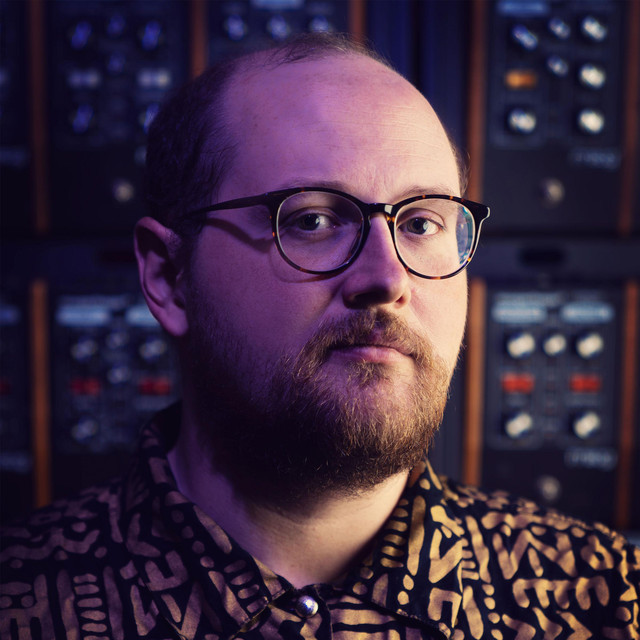
Dan Deacon did not set out to become a film composer. The experimental electronic musician, known for chaotic and joyful live shows, almost deleted the email that changed his career trajectory. In 2009, Francis Ford Coppola tracked him down after hearing a tangent Deacon went on during an NPR interview about what makes a "definitive" version of a piece of music. Deacon ignored two emails before a third arrived on Belize consulate letterhead. He finally responded, flew out to Coppola's Napa estate, and the two spent the visit just talking theory.
A few months later, Coppola offered Deacon his first scoring credit on the 2011 horror film Twixt. It was messy. He was co-composing with Argentine composer Osvaldo Golijov, who had not been told Deacon was going to chop up his recordings. Deacon freely admits he had no idea what he was doing. But the door was open.
How Dan Deacon Went From Indie Stages to Marvel, HBO, and Netflix
Since 2016, Deacon has scored more than 20 films and television projects. The credits have grown steadily: Venom: The Last Dance for Marvel in 2024, the HBO crime drama Task (with season two currently in production), and this June's Netflix comedy Little Brother starring John Cena and Eric Andre. Two more projects premiered at Sundance and SXSW earlier this year: the Iceland glacier documentary Time and Water, whose soundtrack hits streaming August 7, and the black comedy Chili Finger featuring Bryan Cranston, John Goodman, and Sean Astin.
The range is the point. Music supervisor Melissa Chapman, who brought Deacon onto both Sundance and SXSW projects through her company Groove Garden, describes him as someone who can "go into these weird styles and corners and just go off." For Chili Finger, directors asked for "polka, but cool." Deacon delivered. Chapman, who also serves as vice president of the Guild of Music Supervisors, is direct about how rare that adaptability is: landing a band credit does not qualify you to score a feature film.
Deacon is equally candid about the trade-offs. Road money can outpace scoring money relative to hours worked. The collaboration that film requires, the notes, the rewrites, the deference to a director's vision, pushes some artists out. For Deacon, at 45 with two kids, it fits. "I don't want to be on the road 300 days out of the year," he says. His philosophy in the room is that the score should serve the film invisibly. He uses a cake metaphor: he wants to be the eggs, essential but undetectable. Nobody should bite in and think "those Dan Deacon eggs."
He has not released a proper solo album since January 2020, and he sounds fine with that. "It was never really my goal to be a touring musician," he says. "My goal was to just write music every day until I don't have any more days."
What This Means for Independent Creators Watching the Scoring Space
Deacon's path reflects a real shift in how working musicians are building sustainable careers as streaming has expanded demand for scored content while squeezing touring and recording margins. Composers like Oneohtrix Point Never, Colin Stetson, and Japanese Breakfast's Michelle Zauner have all made similar moves. The craft is learnable, but the collaboration skills and the willingness to subordinate your voice to a director's vision are what actually get you hired and rehired.
If you are an independent producer or composer looking to break into sync and scoring, the infrastructure matters as much as the music. [Check out our events calendar](/events) for industry panels and creative networking in LA, or [submit your work](/submit) to get it in front of the right ears.
Read next



Built for indie artists
Get in the room.
Submit your music to perform at our next event. Pull up to one we have on the calendar. Stay close to the people building the next wave.